A window breaking in your property is unthinkable for many people and for that reason it is perfectly natural to feel unprepared in the moment, particularly when you have concerns for your safety. However, there are several straightforward steps you can take to manage the situation and keep yourself and your family feel more secure while arranging professional repairs.
Here,
Nightsafe Glass explains the 10 essential first steps to take when your window has been broken, from assessing the damage and keeping your family safe to contacting the police, securing the opening and arranging emergency window repairs.
1. Assess the damage
The first thing to do when you discover a broken window is assess the damage carefully. While your instinct may be to immediately start clearing away broken glass or securing the opening, taking a moment to understand what has happened can help you decide what needs to be done next.
For example, if the breakage was likely caused by extreme weather, you can proceed with documenting the damage and contacting a repair team. If you identify signs that the breakage was intentional like missing valuables, you should contact the police as soon as possible.
If possible, assess the window from a safe distance. Look at the glass, frame, and surrounding area without touching anything that appears unstable.
Consider the following:
- How badly is the glass damaged?
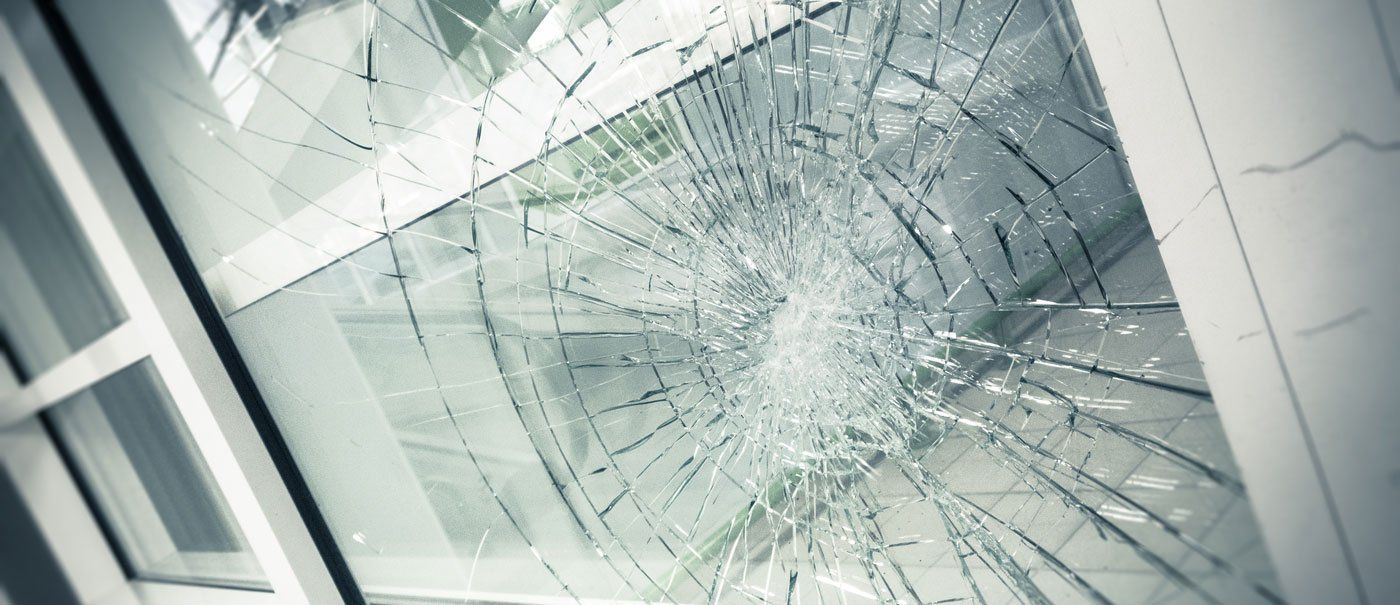
Is there a small crack or chip, a large crack running across the pane, or has the glass completely shattered?
- Is the glass still in the frame?
Cracked glass that remains in place can still be dangerous and may become unstable without warning.
- Has glass fallen inside or outside your property?
Look carefully around the window for broken pieces.
- Is the frame damaged?
Check for cracks, splits, warping or other visible damage around the window frame.
- Are the locks and handles working? A damaged locking mechanism could leave your home insecure even if the frame appears unaffected.
- Are there signs of forced entry?
Look for damage around the lock, handle, frame or surrounding area if you suspect a burglary.
- Has anything else been damaged?
Check nearby walls, flooring, furniture, curtains and belongings for damage caused by the broken glass or whatever caused the window to break.
- Are any other windows affected?
Severe weather, vandalism or a break in can sometimes result in damage to more than one window.
You should also avoid trying to determine whether the window can be repaired or replaced by dismantling it yourself. A professional glazier can assess the glass and frame and determine whether you need a replacement pane, a new double glazed unit, frame or lock repair, or a complete window replacement.
2. Make sure everyone is safe
Once you've assessed the situation from a safe distance, your next priority should be protecting everyone in the property.
A broken window can create several hazards at once. There may be sharp fragments of glass on the floor, unstable pieces still sitting within the frame, cold air or rain entering the property, or an opening that creates a security risk.
Start by keeping children and pets away from the damaged area. Even tiny fragments of glass can cause cuts, and children or animals may not recognise the danger. If possible, close the door to the affected room and prevent anyone from entering until it has been properly secured.
You should also avoid walking barefoot anywhere near the broken window. Glass fragments can travel further than you might expect, particularly when a window has shattered suddenly.
3. Document the damage
Once everyone is safe, take photographs of the damage before carrying out repairs or moving anything unnecessarily. If you are making a home insurance claim, these photographs may help demonstrate what happened and the extent of the damage.
Take clear photographs from several angles, including:
- The broken or cracked glass
- The full window and frame
- Damage to locks, handles or surrounding areas
- Any damage to furniture, flooring or belongings
- Signs of forced entry if the window was damaged during a break in
If possible, keep any other relevant evidence, such as CCTV footage or information about when the damage was discovered.
4. Block off the windows if dangerous
If the window has been completely shattered or there is a large opening, you may need to temporarily secure it while waiting for professional repairs. Boarding up a broken window can help prevent further exposure to the weather and make it more difficult for someone to enter your property.
Suitable temporary materials can include sturdy plywood or heavy duty plastic sheeting, depending on the circumstances. However, only attempt to apply a temporary covering if you can do so safely.
You shouldn't try to board up a window if:
- There is unstable glass still in the frame
- The opening is difficult or dangerous to reach
- The frame has suffered significant structural damage
- The window is on an upper floor
- You would need to climb onto a roof or other unsafe surface
- You are putting yourself at risk while trying to secure it
In these circumstances, contact an
emergency glazier. Professional boarding up services are designed to secure vulnerable openings safely until permanent repairs can be completed.
5. Check that the frame and locks are in tact
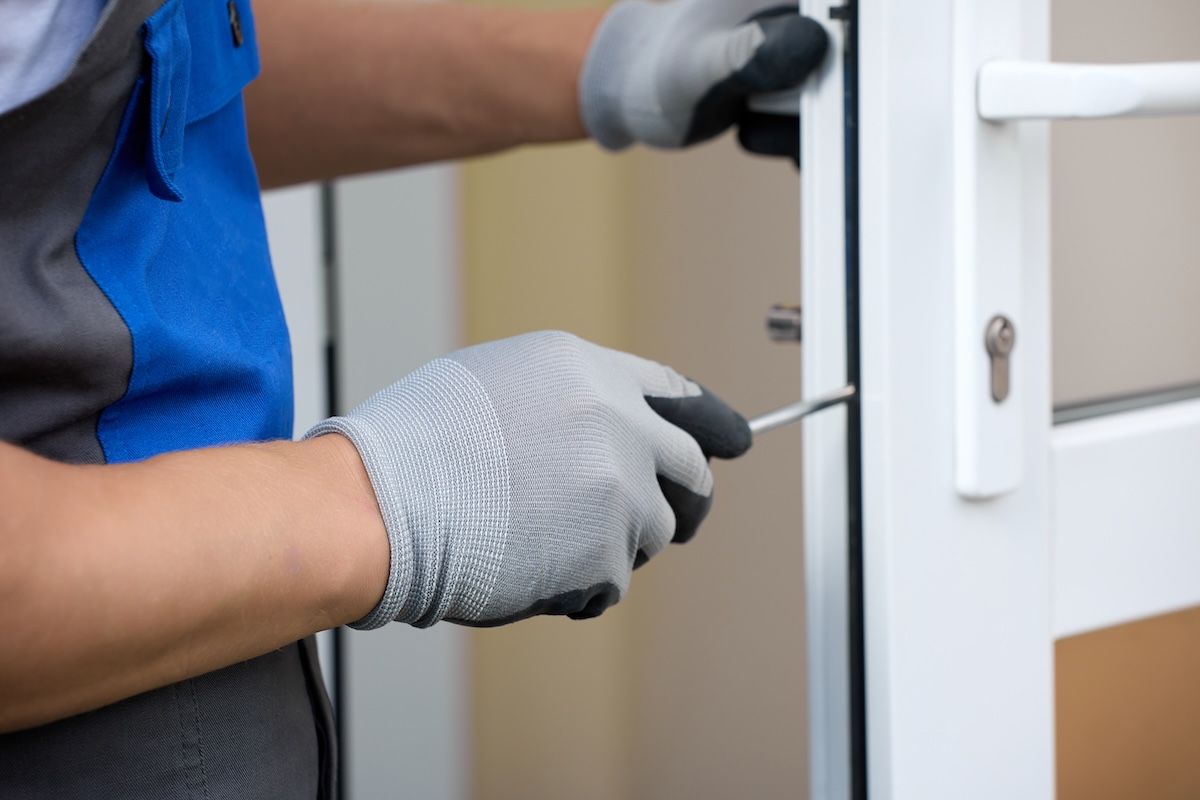
Once the area is safe to approach, check the frame, locks, handles and hinges for visible signs of damage. This is particularly important if the window was broken during an attempted burglary.
A window with intact glass can still present a security problem if its lock or frame has been damaged.
Don't force a damaged window open or closed, as doing so could make the problem worse. Some problems can be resolved through repairs to the frame or hardware rather than replacing the complete window.
If there is damage to the frame or locks on your window, contact professional
frame and lock repair experts.
6. Avoid touching the area beyond necessary safeguarding
If the damage appears to have been caused deliberately, try not to disturb the area more than necessary.
This is particularly important following a burglary or suspected criminal damage. Cleaning up broken glass, moving objects or touching the window could potentially disturb evidence before the police have had an opportunity to assess the scene.
Take photographs from a safe position and wait for the police if they need to attend.
Of course, immediate safety takes priority. If there is loose glass that presents an immediate risk, take reasonable steps to prevent people from entering the area. Once the property has been cleared for repair, a professional glazier can safely remove damaged glass and secure the window.
7. Contact the police
If you believe your window was broken deliberately, contact the police. This may apply if you suspect a burglary or attempted burglary, vandalism, criminal damage, or deliberate damage following a dispute or other incident.
If there is an immediate threat to you or anyone else, move to a safe location and contact the emergency services. If the incident is no longer taking place, follow the emergency reporting process.
When speaking to the police, provide as much useful information as possible, including when you discovered the damage, what you believe happened and whether you have photographs, CCTV or other evidence.
If a crime has occurred, the police may need to inspect the damaged window before permanent repairs are carried out. Once they have finished, you can arrange for an emergency glazier to secure and repair the property.
8. Apply a temporary window covering
A broken window can leave your home exposed to the elements, particularly if the damage occurs during heavy rain, strong winds or cold weather.
A temporary covering can help reduce this exposure while you're waiting for a permanent repair.
However, a temporary covering should only ever be considered a short term solution. If you're unable to safely secure the opening yourself, contact an emergency glazier. They can assess the damage and determine the safest way to protect your property.
In the meantime, you can use:
- Tarpaulin:
Ideal for large openings or damaged doors, helping to keep out wind and rain.
- Plastic sheeting (or cling film):
A short term solution for cracked or broken panes that still have the frame intact.
- Plywood: The most secure temporary option for completely shattered windows. Secure it firmly to the window frame without causing further damage.
- Cardboard:
Only suitable as a very temporary indoor solution if no other materials are available, as it offers little protection against weather.
9. Contact your home insurance company
If you have home insurance, contact your insurer to find out whether the damage is covered by your policy.
Your policy may specify whether you need to use an approved contractor or obtain authorisation before permanent work is carried out.
However, don't leave your property exposed simply because you're waiting to speak to your insurer. If a broken window creates an immediate security or safety problem, take reasonable steps to prevent further damage and keep records of any emergency work and associated costs.
Your insurer may ask you to provide:
- Photographs of the damage
- Details of when and how the damage occurred
- A police incident or crime reference number where applicable
- Receipts for emergency repairs
- An invoice or quote from your glazing company
- Details of any additional property damage
This is why you took photos as soon as you identified the damage. Keep all receipts and paperwork relating to the incident in case they are needed to support your claim.
10. Contact a window repair company
Once the immediate situation has been dealt with, arrange professional window repairs as soon as possible.
A qualified glazier can assess both the glass and the surrounding window to determine exactly what needs to be repaired. You may not need to replace the entire window.
You should consider contacting an
emergency glazier if:
- The window has been completely shattered
- Large pieces of glass are loose or at risk of falling
- Your home has been left accessible from outside
- The damage has occurred during severe weather
- A break in has left the window or door insecure
- The damage has happened overnight
- The window is allowing rain or wind into your property
- There is a risk of injury to children, pets or other occupants
Nightsafe Glass provides
24 hour emergency glazier services in Wakefield and the surrounding areas, helping homeowners secure their properties when they need urgent assistance.