Common uPVC door problems
uPVC doors consist of highly specialised components and features. These features make them excellent options for protecting your home from intrusion and weathering, but they can likewise lead to faults that can compromise these benefits.
It can be helpful to know what to look for when contacting professional glaziers and emergency repair teams so you both have a clearer picture of what to expect.
These are some of the most common issues we attend with a uPVC door:
The door is difficult to lock
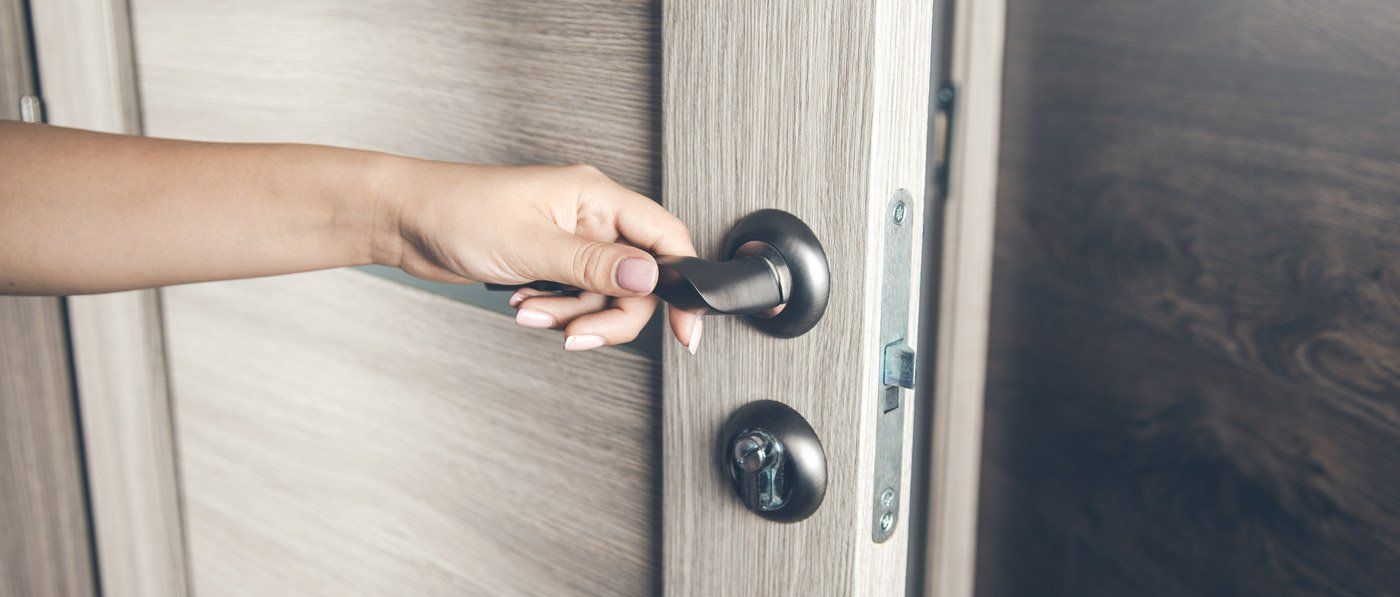
If your uPVC door suddenly becomes difficult to lock, do not assume that the entire door needs replacing. If the key turns but the door does not lock properly, or the handle feels unusually loose or stiff, it is worth having the mechanism inspected.
However, lock problems could also be caused by:
- A misaligned door
- Worn or damaged hinges
- A faulty multipoint locking mechanism
- A damaged lock cylinder
- A broken handle
- The door dropping slightly over time
- Debris or damage affecting the locking points
Failed door seals
A draught around a uPVC door can be the result of worn rubber seals. Misalignment can also prevent the door from closing tightly against the frame.
Depending on the cause, a repair may involve replacing seals, adjusting the hinges or correcting the door's alignment. If the door itself is structurally sound, there is often little reason to replace the complete unit simply because it has become draughty.
Cracked or damaged door panels
A damaged uPVC panel does not always mean the complete door has reached the end of its useful life. A replacement panel may be possible where the surrounding frame and door structure remain in good condition.
However, damage caused by an attempted break in or impact should be assessed carefully because there may be damage to other parts of the door that is not immediately obvious.
Broken glass and condensation between panes
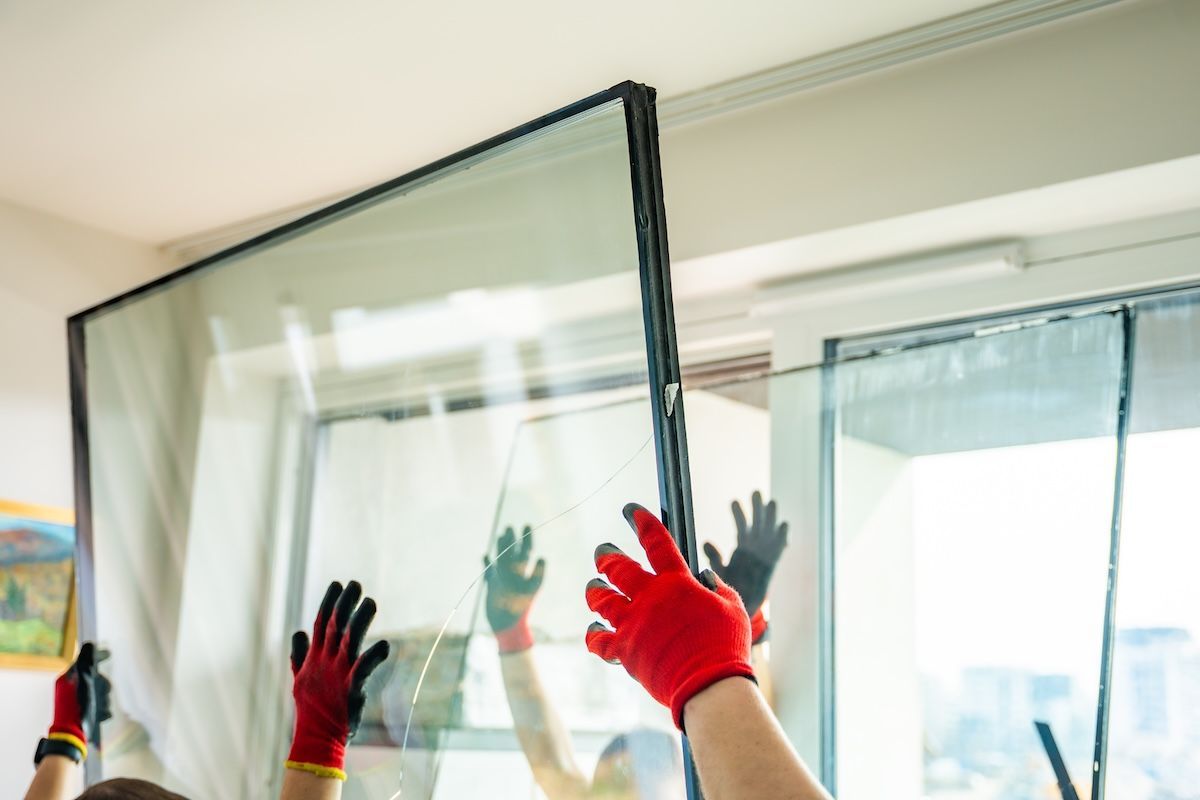
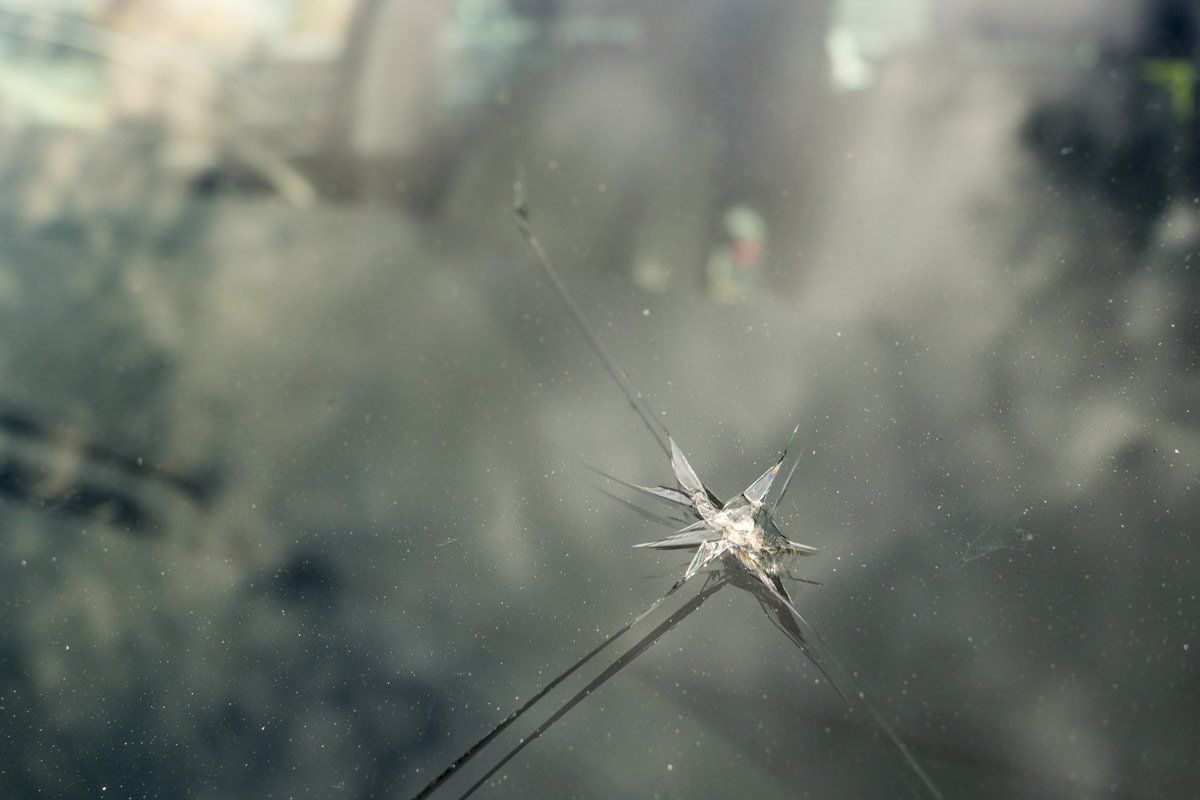
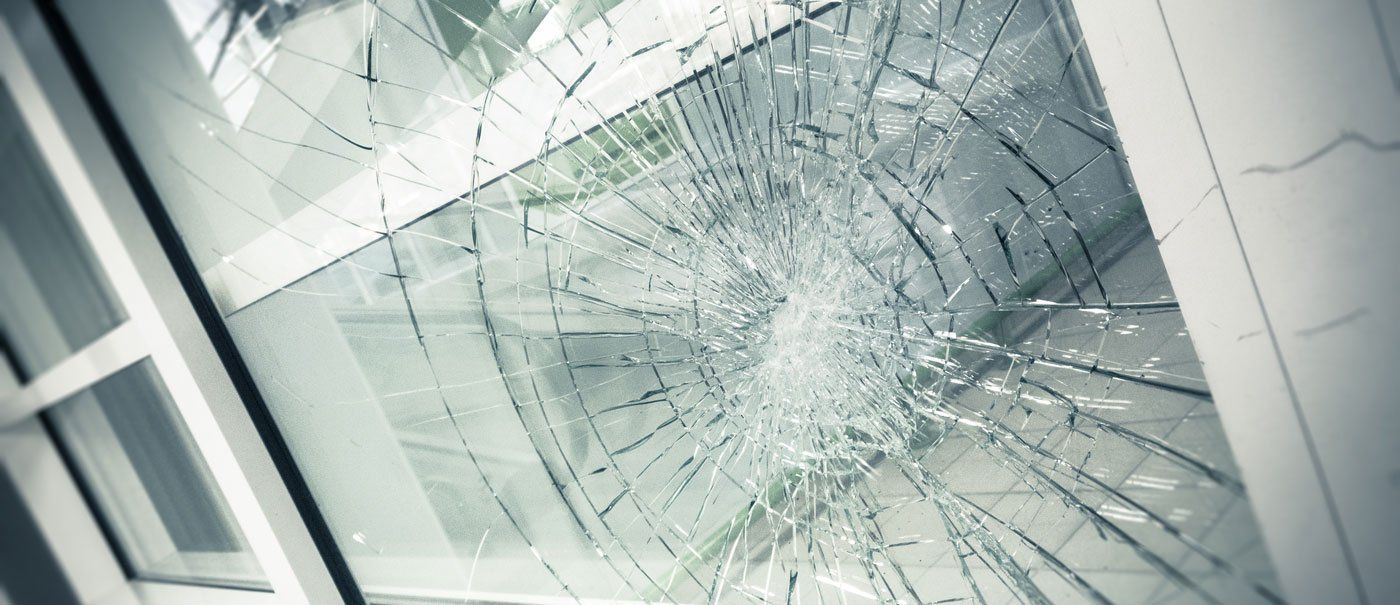
If a double glazed unit has cracked or broken, replacing the sealed glass unit may be sufficient rather than replacing the entire door.
You may also notice condensation or misting between the panes. This can indicate that the sealed unit has failed and moisture is getting into the space between the panes. In this situation, replacing the glass unit can restore the appearance and insulating performance of the glazing without necessarily requiring a new door.
If the glass has been broken unexpectedly, particularly following an accident, attempted break in or storm damage, treat it as a safety issue first and contact
emergency glaziers for prompt repair or boarding.
Warping or distortion
If a uPVC door has become significantly warped or distorted, it may no longer sit correctly within the frame. This can affect closing, locking, weather resistance and security. Persistent warping can also make repeated adjustments less worthwhile.
Discolouration
Discolouration is slightly different. A change in appearance does not necessarily affect the door's function, but severe deterioration, brittle materials or visible damage can be signs that replacement should be considered.
When is uPVC door repair the right choice?
Repair is often the most sensible option when the main door and frame are sound but one or more components have failed.
For example, you may only need a repair if:
- The lock or cylinder has failed
- The handle is broken
- Hinges need adjusting or replacing
- The door is slightly misaligned
- The seals have deteriorated
- The glass unit has failed
- The glass has cracked or broken
- A replaceable panel has been damaged
- The door is otherwise secure and operating correctly
When is uPVC door replacement the right choice?
There are situations where continued repairs may no longer be the most practical solution.
Replacement may be worth considering if:
The door is significantly damaged:
A severely damaged frame or door may compromise the way the door closes and locks. If damage affects the underlying structure rather than a replaceable component, repairing individual parts may not provide a reliable long term solution.
The door requires repairs repeatedly:
If you are repeatedly paying for repairs to different components, it is worth considering the overall condition of the door and whether further repair costs are justified.
The door is poorly insulated: Older or deteriorated doors may allow more draughts or heat loss than a newer, well maintained installation. If the frame, seals, glazing and door itself are all showing signs of deterioration, replacement may provide a more comprehensive and cost effective solution than addressing each issue individually.
You have concerns about the door’s security: A door that no longer closes or locks correctly should be considered an emergency. If the locking system is badly damaged or the door can be forced out of alignment, the issue should be assessed promptly.
Is your uPVC door a security risk?
A uPVC door should close firmly and lock correctly. If it does not, it is worth investigating the reason.
Signs that your door may need attention include:
- The door does not lock securely
- The key is difficult to turn
- The handle feels loose or unusually stiff
- Locking points do not engage properly
- The door can be moved significantly when closed
- The frame has visible damage
- There is evidence of forced entry
- The door has become badly misaligned
- Glass has been broken
- The door cannot be fully closed
At
Nightsafe Glass, we provide practical
uPVC frame & lock repair solutions tailored to residential and commercial properties. Our skilled glaziers resolve everyday issues and emergencies across West & South Yorkshire, ensuring your uPVC doors and windows are secure and functioning properly.
If you need urgent assistance, our
24 Hour Emergency Glaziers in Wakefield can provide immediate support.